


"Parents based in north London wants to find an remarkable and experienced instructor to guide their youngest child on his first steps to becoming an English gentleman."
Looking at this listing, you might easily skip the wording "first-steps" as just a turn of phrase.
Yet, it may be the most important part of this distinctive employment listing, as it attempts to find a teacher for a one-year-old.
Numerous of submissions have already been submitted since the unidentified family posted their request for the £180,000 per year tutor, who has to be "someone very special".
In recent few weeks, the advert has gained interest across the press, with numerous asking why?
Innovative Idea
The CEO, CEO and founder of a global tutoring firm, which is supporting the family in their search, said that in spite of initial doubt, he considered the plan "forward-looking", and "progressive".
When he consulted the family, he said they understood the unusual nature of their demand, and how young their son is.
But, they stated that they "didn't want to wait any longer" to engage a tutor, as they had waited until their firstborn was five, and by that point "cultural conditioning had already taken hold".
But what did the family indicate by "cultural leaning"?
It's "all-encompassing", he replied. "The way you eat, how you speak".
He stated the older sibling had adopted "extremely delicate, body language" from the family, and had taken on their cultural norms. The family informed Adam they did not want the same situation to happen again with their infant.
The plan: To engage a UK tutor, who should speak with RP, to shape the baby from day one.
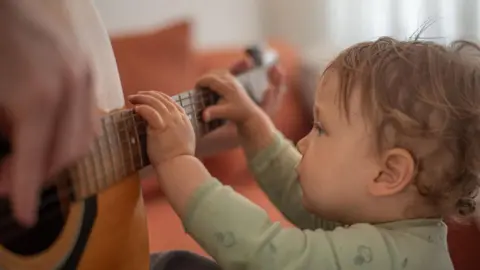
Natural Absorption
"Much of the education at the outset here is rather acquired indirectly," said Adam.
It's via this natural absorption that the family are expecting the child will adopt the British traits they aim to instil.
He said the tutor had to be somebody who went to "the appropriate educational institutions – similar types of schools as the family plan to send their son to".
"The tutor just has to be the appropriate candidate, they'll be performing things they aren't even aware they're doing, effortlessly," he said.
Cost Not Relevant
The family told him the selected educator should preferably also have knowledge of or passion in equestrian activities, alpine skiing, creative fields and instrumental training so as to inspire the child in a diverse set of interests.
More than that though, he explained the family desired the tutor to sign up the child on a selection of lessons so the child would be "horseback riding and picking up an instrument by the time they are approximately three years old".
In the family's view, helping their son become a "British gentleman" will lead to success and create opportunities.
"Considering the advantages and disadvantages of that, because it's certainly a social class indicator," he comments.
However, notwithstanding all this instruction in "English culture", might the child absorb alleged cultural leaning from the international family he resides with in any case?
"Absolutely", said he. "They understand this might not succeed, but they've merely embraced the view of, 'let's give it a go and let's go as soon as we can', because the price of it is irrelevant," he stated.
Impractical
Several in the private teaching field who express those concerns.
Peter Cui, chief executive of an educational organization, who provides personal educators, wrote that "the process of embracing two identities, or in fact, becoming oneself, is something that must be experienced personally, not manufactured."
The expert wrote that he had relocated from Asia to the United Kingdom at the period of seven, and had been raised knowing and living two backgrounds. He continued to study at the University of Cambridge.

"The concept that one individual can serve as a living vessel of English culture, an individual who can in some way transplant the attributes of a UK sophisticate to a one-year-old child, appears naive and unrealistic," he stated.
"In my experience, having a distinctly British tutor from early childhood will will not necessarily achieve the result they hope for.
"I did not have that kind of mentor, and however I have been fortunate enough to experience several of the situations they desire for their son."
He continued: "The reality is, cultural identity can not be dictated from the outside influences; it must be selected, and it must originate internally."
Acquiring Englishness
Certainly, English culture is something Adam thinks can be instructed – and commercialized.
"In my view the fact that the global community regards us in this light is something that we should be cherishing|valuing|appreciating


